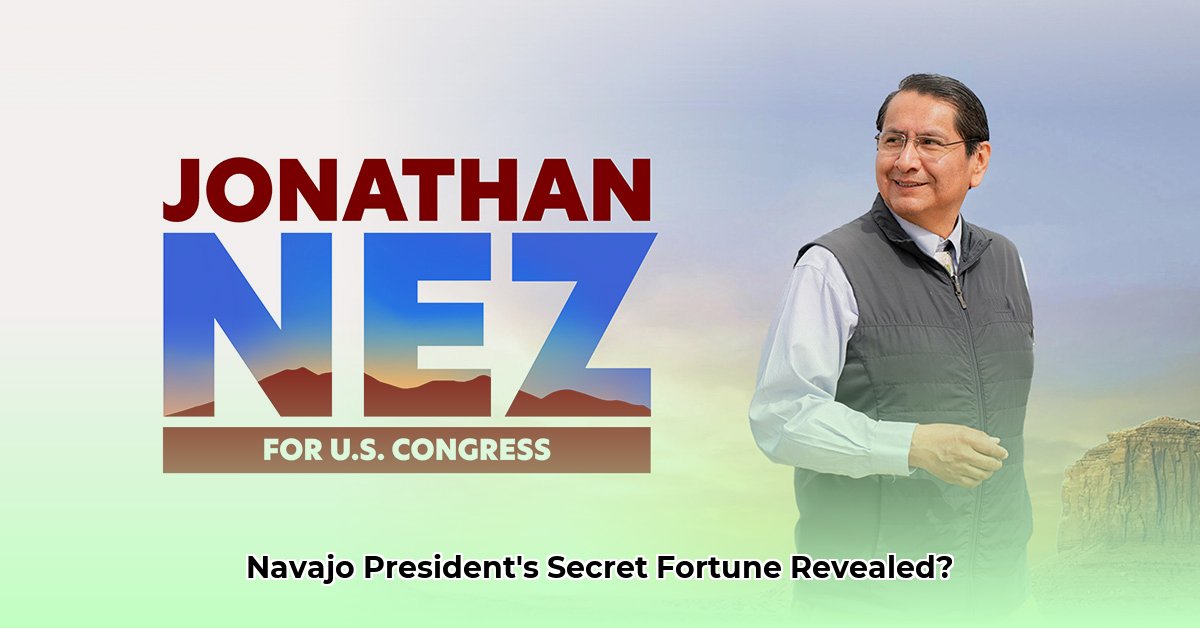
Jonathan Nez: A Navajo Nation President's Journey
The wind whispers across the vast Navajo Nation, carrying stories of resilience and the weight of leadership. At the center is Jonathan Nez, president of the largest Native American reservation in the U.S. His story transcends simple net worth figures; it’s a powerful narrative of leading a nation grappling with historical injustices and persistent economic hardship. While the question of his personal wealth is intriguing, it's a minor piece of a much larger puzzle. Nez’s journey illuminates the complexities of Navajo Nation politics, the challenges facing Indigenous leadership, and the critical need for equitable resource allocation.
Nez's path to the presidency wasn't easy. Years of dedicated service within the Navajo government provided him with a deep understanding of the community's needs. This intimate knowledge, combined with strong community ties, propelled him to victory in 2018. His ascent, however, wasn't without its obstacles, underscoring the dynamic and often challenging nature of Navajo politics.
His presidency has witnessed both significant achievements and considerable setbacks. A notable success was the effective rollout of the COVID-19 vaccination program, outperforming many comparable regions and showcasing decisive leadership. However, other policy decisions yielded mixed results, highlighting the difficulties of balancing competing priorities within a complex political landscape. Even seemingly minor policy choices can have far-reaching consequences across the Navajo Nation, demanding careful consideration and strategic implementation.
How Does Jonathan Nez's Compensation Reflect the Navajo Nation's Realities?
The question of Nez's net worth frequently arises, and it's a legitimate question. But understanding the context is paramount. The Navajo Nation president's salary has remained virtually stagnant for over three decades – a stark contrast to the compensation of other US governors or the President. This prompts crucial questions about who can realistically afford to serve in this critical role. While a deferred compensation plan exists, it doesn't fully offset the financial constraints placed upon those dedicated to public service. Experts suggest this low salary unintentionally limits the candidate pool, potentially excluding highly qualified individuals whose financial circumstances make such a commitment impractical.
The presidential salary must be viewed within the context of the Navajo Nation's ongoing economic challenges. High unemployment, poverty, and a lack of adequate infrastructure present immense obstacles to progress and overall quality of life. The limited financial resources available to the president directly reflect the limited resources available for community development and essential social programs. Some argue that increasing the presidential salary could indirectly improve the living conditions and resource availability for the wider population.
This low salary underscores systemic inequities facing Indigenous governments. A dramatic disparity exists between the Navajo Nation president's compensation and that of other elected officials, such as the US President or Arizona's Governor. This considerable gap isn't merely about numbers; it reflects power imbalances, resource disparities, and the lingering effects of historical injustices. These disparities significantly impact the ability of Indigenous leaders to effectively serve their communities. It is important to note that the below figures are estimates and can fluctuate based on additional benefits and income sources.
| Official | Estimated Annual Salary |
|---|---|
| Navajo Nation President | ~$65,000 |
| US President | $400,000 |
| Arizona Governor | ~$95,000 |
This table clearly illustrates the substantial difference in compensation. This gap is not simply a financial discrepancy; it underscores a broader imbalance in power, resources, and the ongoing impact of historical injustices.
Nez’s political journey also includes an unsuccessful bid for Congress, highlighting the immense difficulties of navigating different political spheres. This emphasizes the unique challenges faced by Indigenous leaders representing their communities at both the national and local levels.
Nez's Legacy and the Future of Indigenous Leadership
Jonathan Nez's experience could significantly shape the future of Indigenous representation and self-determination in the US. His tenure has illuminated both the successes and challenges of balancing Indigenous governance within existing political and economic structures. This understanding is essential for effective policy changes addressing historical injustices and systemic inequalities faced by many Native American communities. The narrative of Jonathan Nez's net worth, therefore, transcends a purely financial discussion; it expands into a broader conversation about crucial systemic issues that demand comprehensive and long-lasting solutions. The journey towards a deeper understanding of this complex narrative requires continued exploration and engagement.
Key Takeaways:
- The significant disparity between the Navajo Nation president's and other elected officials' salaries points to systemic inequities within Indigenous governance.
- The low salary for the Navajo Nation president may unintentionally limit qualified individuals who can afford to run for and serve in this crucial position.
- The financial constraints of the Navajo Nation significantly impact the president's ability to address widespread challenges such as healthcare, economic disparity and infrastructure deficits.